
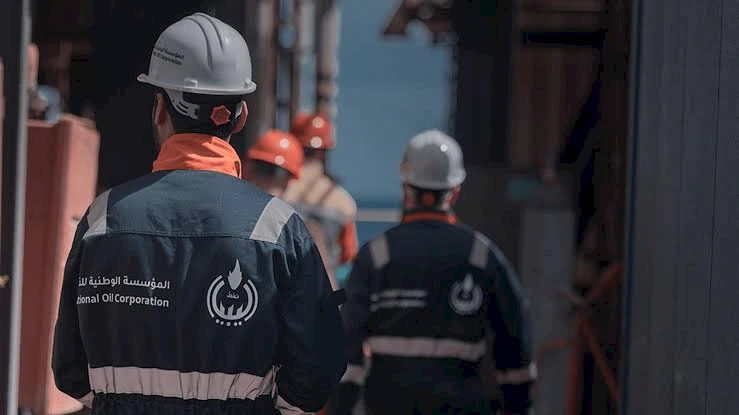
- E3G report projects global oil demand will peak after 2030, warning Libya's heavy dependence on crude revenues and internal political instability leave it acutely vulnerable to the transition.
A report by the European think tank E3G has warned of the risks posed by a potential oil shock as global demand approaches its peak after 2030, at a time when Libya's economy remains heavily dependent on oil revenues, which account for more than 90 per cent of state income.
The study, based on modelling and simulations involving more than 100 experts and officials, concludes that a decline in global oil demand could place severe pressure on economically undiversified producer states, particularly those that rely on oil revenues to fund public-sector wages, social services and essential imports.
Oil and gas account for more than 40 per cent of government revenue in 17 producer countries, according to the study, rising to between 70 and 90 per cent in countries including Libya, Iraq, South Sudan, Kuwait and Oman.
The International Energy Agency separately forecasts that net per capita income from oil and gas could fall by around 60 per cent by 2030 and 75 per cent by 2050 under a net-zero emissions scenario. The E3G study places Libya among the producers most exposed to these shocks, noting that political division and internal instability have repeatedly disrupted the country's oil production and revenues.
The report also points to Russia's presence in eastern and southern Libya, close to oil-producing regions and export infrastructure, as evidence that the country is caught up in a wider geopolitical contest over energy. It notes that such arrangements may offer short-term gains to local actors involved.