The September Test: Can Libya's Central Bank Fund Demand Exceeding $4
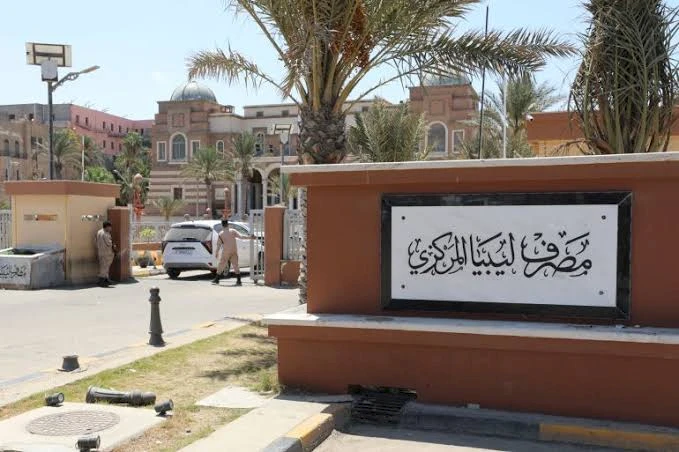
The Central Bank of Libya faces a fresh test in managing the foreign exchange market as September approaches, with estimates suggesting hard currency needs could exceed $4 billion in a single month.

The Central Bank of Libya faces a new test in managing the foreign exchange market as September approaches, amid estimates that hard currency needs could exceed $4 billion within a single month.
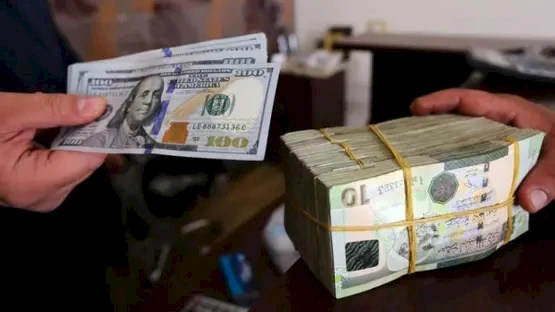
According to sources, the bank intends to inject around $2 billion to settle outstanding letters of credit, in addition to $750 million for pending personal-purpose currency requests. Factoring in roughly $1 billion for fuel imports and $500 million for government obligations and other uses, total needs could reach approximately $4.25 billion.
These commitments come at a time when the Libyan economy relies heavily on oil revenues to supply foreign currency. Libya produces around 1.48 million barrels per day at its best production levels, but the exportable quantity falls short of total output once domestic consumption, refining, the foreign partner's share, and the energy sector's own needs are accounted for.
Assuming exports of one million barrels per day, generating $4.25 billion within a month would require an average price of around $141.6 per barrel. This figure does not represent Libya's actual break-even oil price, but it illustrates the scale of the potential gap between monthly obligations and available dollar inflows.
The equation is further complicated by the mismatch in timing between oil revenues and obligations. Revenues do not necessarily convert into liquidity available to the central bank at the exact moment dollar demand arises, which may increase pressure on reserves or lead to the deferral of some commitments.
In the market, the problem is reflected most clearly in the widening gap between the official exchange rate and the parallel-market dollar rate, amid continued demand for foreign currency outside official channels.
The central bank is relying on increasing dollar supply, accelerating the processing of letters of credit, and providing foreign currency to banks to contain the pressure. However, injecting billions of dollars may only ease tension temporarily if demand remains above the economy's capacity to generate hard currency sustainably.
The September test, therefore, is not only about the Central Bank of Libya's ability to inject dollars, but about its capacity to fund demand approaching $4.25 billion without a continuous drain on reserves.
The question the market will be watching is whether oil flows will be sufficient to finance this demand, or whether the gap will translate into fresh pressure on reserves and the exchange rate.
Featured
All reports